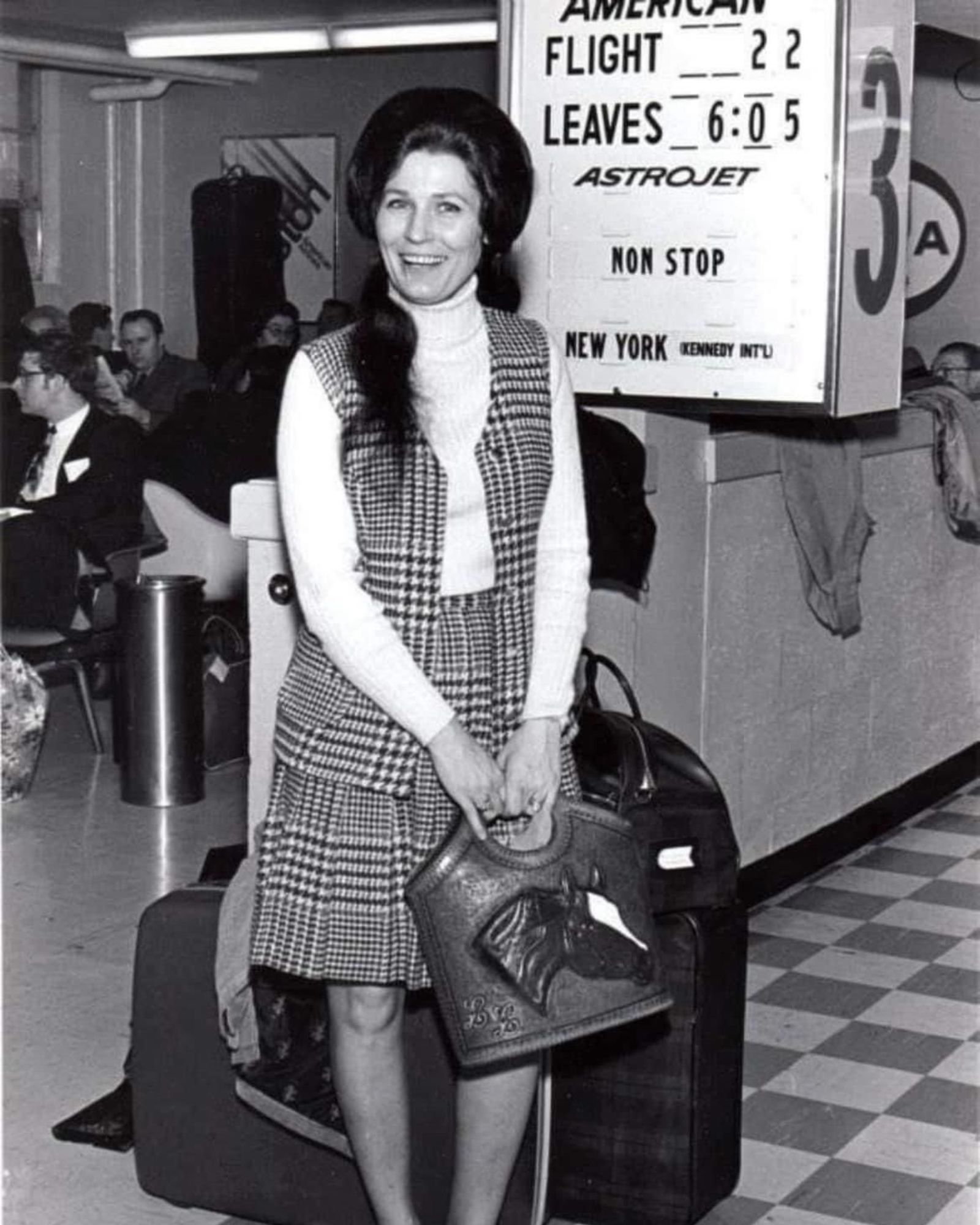
In 1975, Loretta Lynn sang a song three times in one night at the Grand Ole Opry. A week later, Loretta learned that management had reportedly spent three hours discussing whether the song should ever be performed there again.
The song was called “The Pill.”
By then, Loretta Lynn was already one of country music’s biggest stars. Loretta had been a member of the Grand Ole Opry since September 25, 1962. The institution was an important part of Loretta’s career, and performing there meant something special.
But “The Pill” was different from almost anything country radio was accustomed to hearing.
A Song That Came From Real Life
Recorded in 1972 but not released until 1975, “The Pill” told the story of a married woman who had spent years raising children while watching her husband enjoy freedoms that seemed out of reach.
Now, with birth control available, the woman in the song could finally make some decisions about her own future.
It was funny, direct, and unmistakably Loretta Lynn.
The story also had a personal connection. Loretta Lynn had six children, including four born before Loretta turned twenty. In later interviews, Loretta spoke openly about how difficult those years had been.
For Loretta, the song wasn’t simply about stirring up controversy. It reflected experiences that many women understood but rarely heard discussed on country radio.
The Radio Stations That Refused to Play It
When “The Pill” reached the public in 1975, the reaction was immediate.
Approximately 60 country radio stations refused to play the record. Some religious leaders publicly criticized the song, and the controversy attracted attention far beyond Nashville.
But listeners kept buying it.
Despite the resistance, “The Pill” climbed to No. 5 on Billboard’s country singles chart. It also reached No. 70 on the Billboard Hot 100, becoming Loretta Lynn’s highest-charting solo pop single.
That success made one thing clear: the people refusing to play the song did not necessarily speak for everyone who wanted to hear it.
And then came the disagreement at the Grand Ole Opry.
The Three-Hour Meeting
In an interview published in Playgirl magazine in 1975, Loretta Lynn recalled performing “The Pill” three times during a single night at the Grand Ole Opry.
According to Loretta’s account, a week later Loretta discovered that Opry management had held a three-hour meeting and considered preventing future performances of the song.
There is no independently published record establishing exactly what was said during that meeting. Nor is there evidence that the Opry ultimately imposed a formal ban.
But Loretta Lynn made one thing perfectly clear in the interview: a restriction would not have been accepted quietly.
Asked about the possibility of being prevented from singing “The Pill,” Loretta gave an answer that left little doubt about where Loretta stood.
“If they hadn’t let me sing the song, I’d have told them to shove the Grand Ole Opry!”
Those were Loretta Lynn’s own words, not a line invented years later to make the story more dramatic.
What Happened After the Controversy?
Loretta Lynn remained a Grand Ole Opry member. The controversy did not end Loretta’s relationship with the institution, and “The Pill” remained part of Loretta’s musical legacy.
Something else happened that Loretta found especially meaningful.
In the same 1975 interview, Loretta recalled hearing from rural doctors who believed the song had done more to make women aware of birth control than the informational pamphlets they had distributed.
That was an unexpected response to a country record that so many radio stations had rejected.
Years later, Loretta continued to discuss the song without regret. During an interview with Terry Gross on NPR’s Fresh Air, Loretta acknowledged the frustration behind the lyrics and explained how closely the subject connected with personal experience.
The three-hour meeting could have become just another forgotten argument in Nashville music history. Instead, it became part of a larger story about a singer who refused to pretend that ordinary women’s lives were too uncomfortable to sing about.
Loretta Lynn never needed everyone to agree with “The Pill.”
And in 1975, Loretta was willing to risk an argument with one of country music’s most cherished institutions to keep singing it.