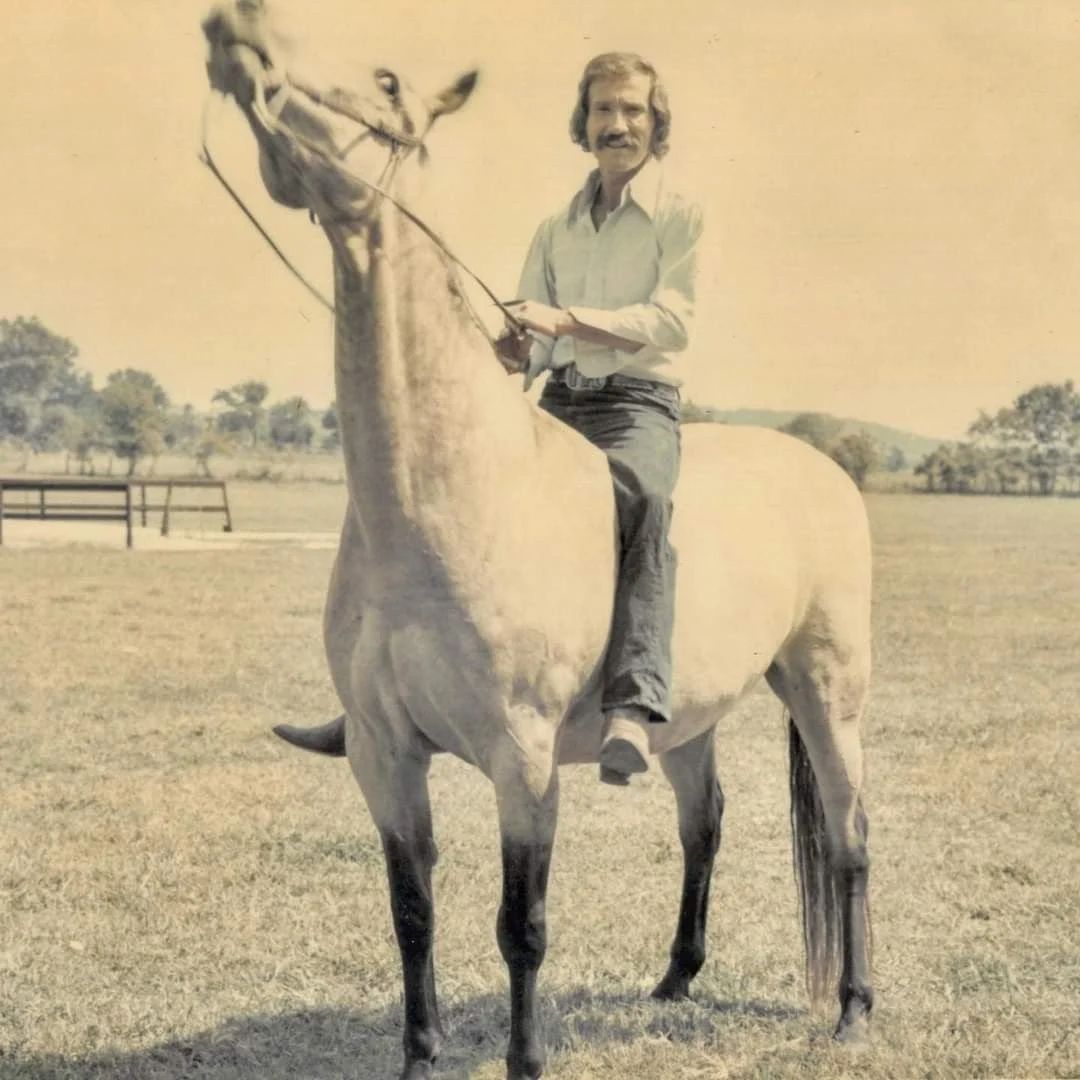
In 1959, Columbia Records faced an unusual problem with Marty Robbins. The singer had recorded a Western ballad called “El Paso,” but the complete recording ran approximately four minutes and 37 seconds.
That was unusually long for a popular single. Radio stations generally preferred songs closer to three minutes, and record companies were cautious about asking disc jockeys to devote so much airtime to one recording.
Columbia Records prepared a shorter version of “El Paso” for radio stations. The promotional record offered DJs a choice between the edited recording and the complete performance.
Many DJs chose the longer version.
Before long, “El Paso” reached No. 1 on both the Billboard country and pop charts. A song that seemed too long for conventional radio programming had become one of the biggest hits of Marty Robbins’s career.
The Singer Who Never Wanted to Stay in One Musical Lane
By the time “El Paso” became a hit, Marty Robbins had already established a reputation for moving comfortably between different musical styles.
Marty Robbins could sing traditional country, rockabilly, honky-tonk, polished pop, and Western ballads. Songs such as “Singing the Blues” and “A White Sport Coat (And a Pink Carnation)” demonstrated an ability to reach listeners well beyond the traditional country audience.
Across a recording career that lasted more than three decades, Marty Robbins recorded over 500 songs and more than 60 albums.
That variety sometimes made Marty Robbins difficult for critics to categorize. Yet the musical range was not accidental. Marty Robbins had shown a willingness to follow personal musical instincts from the beginning of the recording career.
The Four Songs Marty Robbins Refused to Choose
One revealing incident happened in 1951, when Marty Robbins signed with Columbia Records.
According to a historical account published by the Los Angeles Times, Columbia Records sent Marty Robbins 20 songs and asked the young singer to select four for the first recording session.
Marty Robbins made a different decision.
Instead of choosing from the supplied material, Marty Robbins wrote four original songs and recorded those.
None of those first four recordings became a hit. Nevertheless, Marty Robbins continued writing. During the second recording session, Marty Robbins recorded the self-written “I’ll Go on Alone,” which became a No. 1 country hit in 1952.
The incident offers an early glimpse of an artist who valued choosing the right material over simply following the expected approach.
Eight years later, “El Paso” would demonstrate how successful that independence could become.
Why “El Paso” Was Worth Every Second
Unlike a typical short love song, “El Paso” tells a complete Western story. Set around Rosa’s Cantina in the West Texas town, the ballad follows a cowboy whose love for Feleena leads to jealousy, a fatal confrontation, an escape, and a desperate return.
The recording combined Marty Robbins’s expressive storytelling with a Western melody and distinctive Spanish-style guitar accompaniment.
Shortening the recording meant sacrificing part of that unfolding story. Radio listeners who heard the complete performance could follow the narrative from its beginning to its tragic conclusion.
The song’s popularity eventually brought Marty Robbins a Grammy Award for Best Country & Western Performance.
And Marty Robbins was not finished with the characters. In 1966, Marty Robbins recorded “Faleena (From El Paso),” an extended ballad telling the woman’s story. In 1976, Marty Robbins returned to the setting once again with “El Paso City,” another No. 1 country hit.
What began as one unusually long single became a musical story that Marty Robbins revisited across nearly two decades.
Marty Robbins Explained It Best
Years after the success of “El Paso,” a Columbia Records retrospective preserved Marty Robbins’s own thoughts about musical labels.
“I don’t want to be put in any category. I don’t want to get in a rut.”
Those words help explain a career that included cowboy songs, country heartbreak, pop hits, and rockabilly recordings.
Marty Robbins did not abandon country music by exploring other sounds. Each new style offered another way to tell a story, express an emotion, or reach an audience.
More than 500 recordings demonstrate the range. But the success of “El Paso” offers perhaps the clearest example of what made Marty Robbins different.
Columbia Records had offered radio stations a shorter version. The DJs and their listeners helped make the complete recording a hit.
And more than six decades later, listeners can still hear the entire story in the recording Marty Robbins wanted to sing.