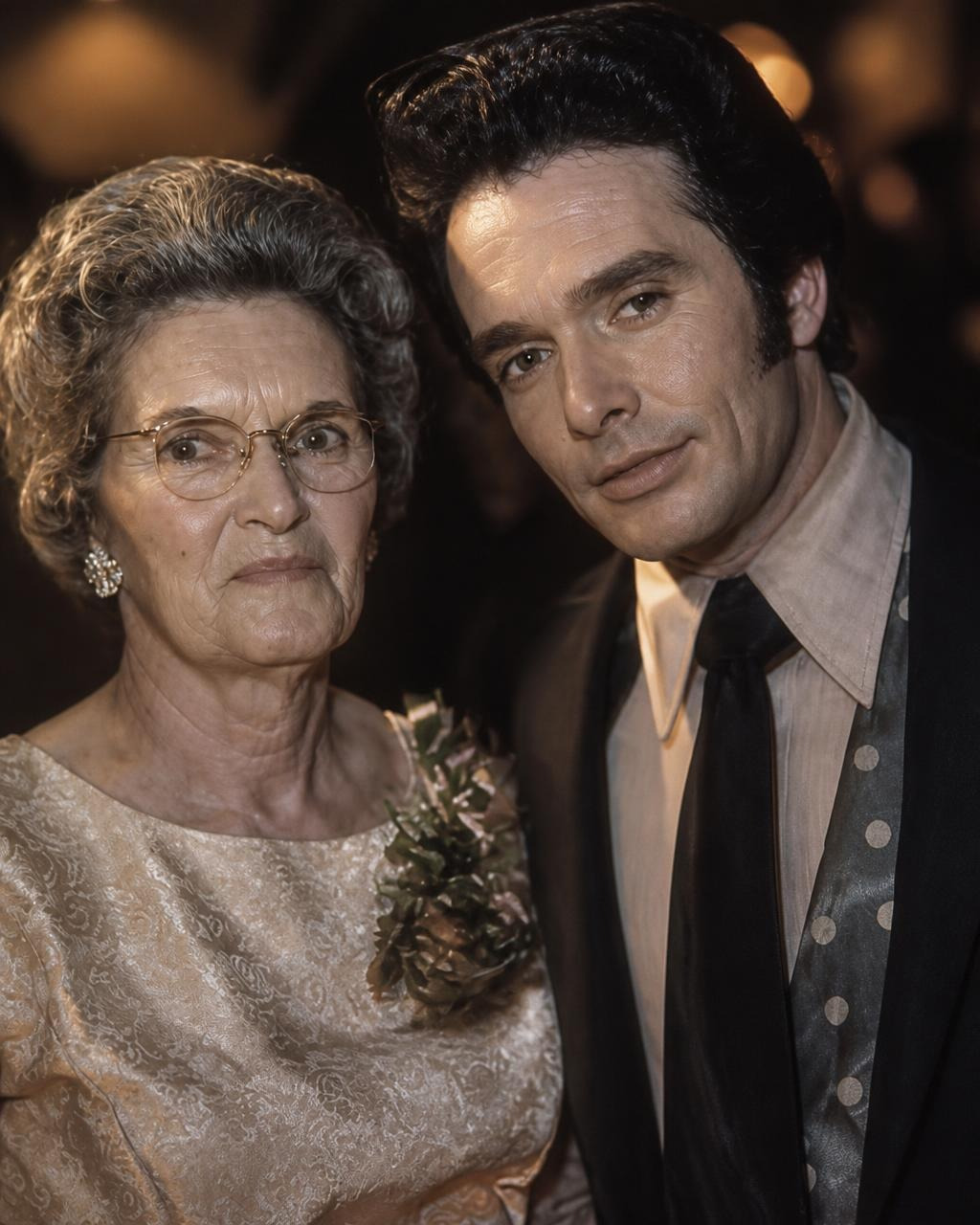
Merle Haggard, His Mother Flossie, and the Song That Told the Truth
Merle Haggard’s life began in hardship, and he never stopped writing about it. He was born on April 6, 1937, in Oildale, California, in a converted railroad boxcar that his father had remodeled into a family home. That detail mattered to Merle Haggard for the rest of his life, because it came to symbolize everything he understood about work, roots, and survival.
When James Haggard died in 1946, Merle Haggard was only nine years old. The family was left in the care of Flossie Haggard, who took a bookkeeping job to support three children on her own. She tried to keep her son steady. She took him to church. She tried reform schools. She tried discipline. But Merle Haggard was restless, rebellious, and determined to go his own way.
By the time he was 20, that road had led him to San Quentin for burglary. It was a dark chapter, but it became part of the foundation for the songs that later made him famous. After prison, Merle Haggard built a career on plainspoken country music that sounded like lived experience because it was lived experience. He sang about trouble, regret, work, and the pull of home in a way that felt immediate and real.
The Song That Changed Everything
In July 1968, Merle Haggard released “Mama Tried.” The song quickly became his biggest record to that point, reaching No. 1 on the country chart and staying there for four weeks. It was sharp, memorable, and deeply personal. Listeners heard a son looking back at the mother who tried to save him, and they believed every word.
“Mama Tried” was the kind of song that turned memory into legend.
And yet the song’s most dramatic line was not literally true. Merle Haggard later made clear that he had not served life without parole. He served under three years. Still, the emotional center of the song was honest. The church visits, the running wild, the mother who worked hard and still could not pull her son back from the edge — that part came from real life.
Paying Her Back in Music
Merle Haggard did not forget Flossie Haggard. In 1969, he recorded “Hungry Eyes,” a tribute that also reached No. 1. Then, in 1981, he released a gospel album titled “Songs for the Mama That Tried.” By then, Flossie Haggard was 79 years old, and she appeared beside her son on the cover. It was a small but powerful act of gratitude.
Flossie Haggard died three years later, in 1984. But the story did not end there. Merle Haggard kept returning to the woman who raised him, not just in interviews or memories, but in songs that carried her strength, sacrifice, and stubborn hope into the larger American story.
In the end, Merle Haggard’s greatest tribute was not a single hit. It was the body of work he left behind: music that turned a difficult childhood into something lasting, and a son’s debt into art.