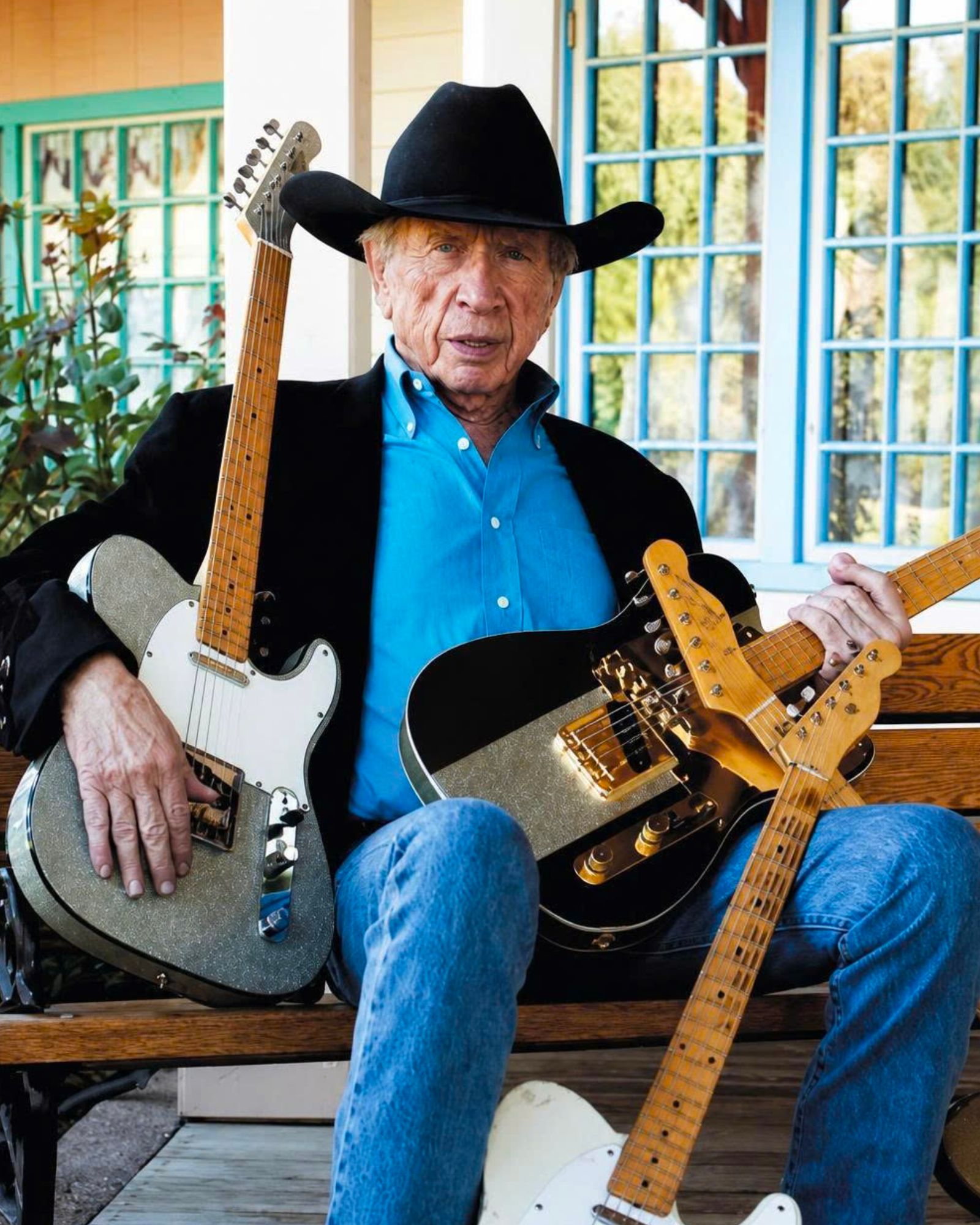
Buck Owens’ Last Show: A Final Gift to the Fans Who Came So Far
On the night before Buck Owens died, the Bakersfield legend was already on his way out of Buck Owens’ Crystal Palace. He had eaten his favorite chicken-fried steak, and he had told the band he did not feel well enough to perform. For a moment, it seemed like the show would end before it began.
But then something happened that changed the night. As Buck Owens walked toward his car, he met a group of fans from Bend, Oregon. They told him how far they had traveled just to hear him sing. That detail landed hard. Buck Owens turned around.
According to longtime Buckaroo Jim Shaw, Buck Owens told the crowd, “If somebody’s come all that way, I’m gonna do the show and give it my best shot.” It was not a polished farewell. It was something more human than that: a tired performer deciding that the people in the room mattered more than his own discomfort.
A Night Built on Loyalty
Buck Owens had always understood the bond between artist and audience. He had built a career on directness, honesty, and a kind of working-class warmth that made fans feel like they knew him personally. At the Crystal Palace, that connection was even stronger. It was his room, his stage, and his home base in Bakersfield.
So when Buck Owens heard that people had crossed state lines to see him, he did what many fans would hope their favorite artist would do. He came back inside, picked up the moment, and gave the show everything he had left. It was not about perfection. It was about keeping faith with the people who believed in him.
Buck Owens performed that night, then went home.
A few hours later, Buck Owens died in his sleep at age 76. There was no farewell announcement. No dramatic final curtain. The audience did not know they were watching the last show of a country music giant. They only knew that Buck Owens had nearly left, heard the voices of distant fans, and chosen to stay.
The Kind of Ending Buck Owens Would Have Understood
That final decision says a lot about Buck Owens. It was simple, generous, and unmistakably true to the man people admired. He had spent decades giving fans a sound and a style that felt alive, plainspoken, and unforced. On that last night, he gave them one more gift: not a speech, not a warning, but a song.
There is something especially moving about the fact that this last performance was never announced as final. It became meaningful only afterward, when the story was told and the pieces came together. Buck Owens had been too sick to play, but when he heard how far those fans had come, he turned around and gave them the show. It turned out to be his last.
For the people in the room, it was just another night at the Crystal Palace. For everyone who later learned the story, it became a reminder that the smallest choices can carry the greatest weight.