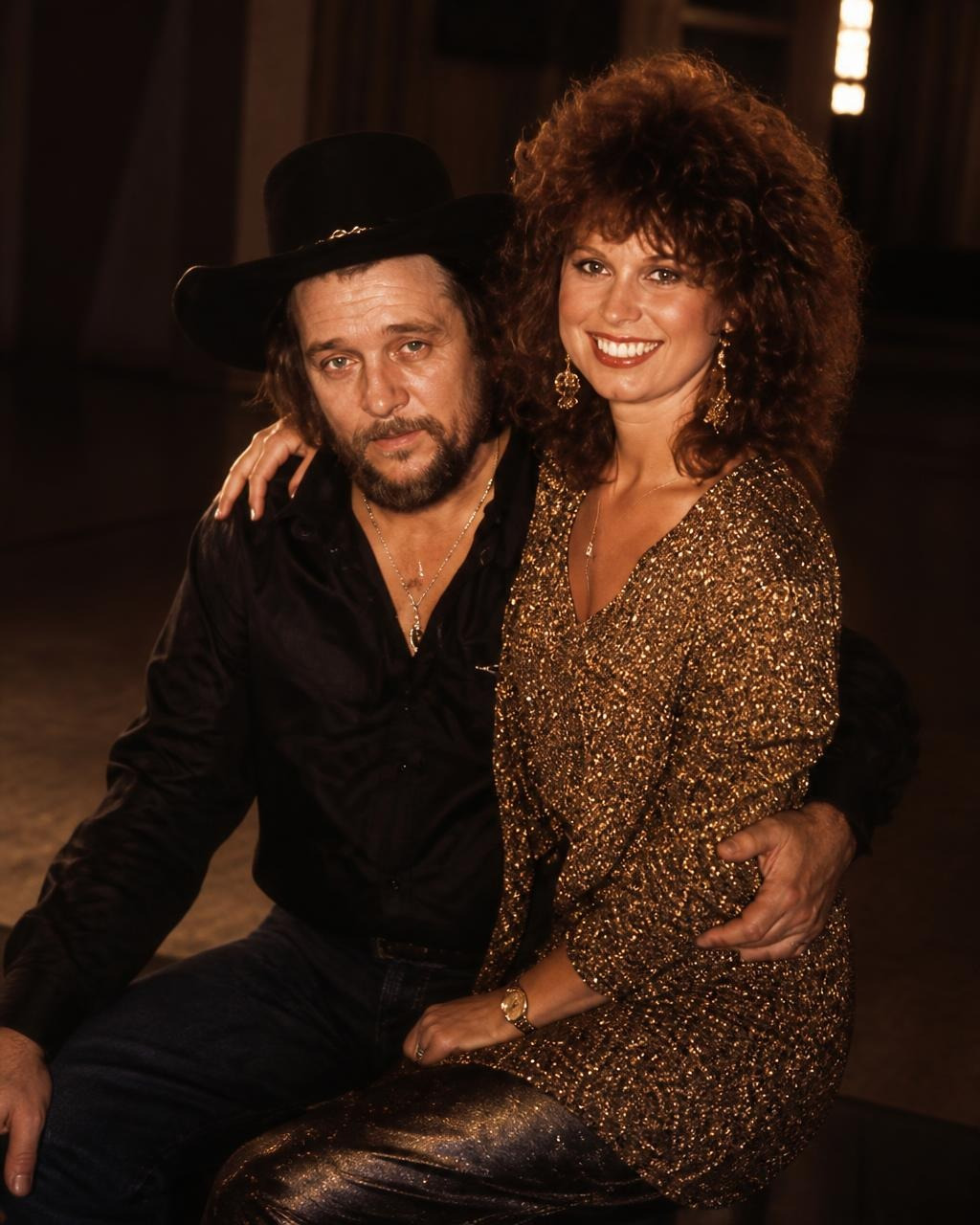
Jessi Colter and Waylon Jennings: The Quiet Morning That Ended a Country Music Marriage
On February 13, 2002, the world lost Waylon Jennings, one of the defining voices of outlaw country. He was 64 years old, and he died in Chandler, Arizona after a long struggle with diabetes. By then, his health had already taken a severe turn; only months earlier, doctors had amputated his left foot.
But for Jessi Colter, that day did not begin with public history. It began like so many other days in a long marriage: with routine, care, and the small details that hold a life together. She had an appointment that morning and later returned home to make Waylon Jennings his usual protein shake. He was supposed to spend the day watching the Winter Olympics. Instead, she found him in bed, seemingly asleep. He was gone.
A Love Story That Outlived the Spotlight
Jessi Colter and Waylon Jennings married in 1969, and their relationship lasted through nearly every season a marriage can face. Fame came fast. Pressure came faster. So did the chaos that often shadowed the outlaw country era: addiction, touring, infidelity, recovery, and the strain of trying to stay human while living inside a legend. Their home life was never polished, but it was real, and that mattered.
Before Waylon Jennings became a towering figure in American music, he had already lived several lives. He rose from West Texas poverty, played with Buddy Holly, and later helped define the outlaw movement with songs and albums that pushed country music in a bolder direction. His name became tied to classics like “Luckenbach, Texas,” “Honky Tonk Heroes,” and the Highwaymen project with Johnny Cash, Willie Nelson, and Kris Kristofferson.
What Jessi Colter Lost That Morning
The public saw the loss of a major artist. Jessi Colter lost a husband. That difference matters. She was not saying goodbye to a stage persona or a catalogue of hits. She was coming home to the man she had loved for more than three decades, the man she had helped carry through the hardest years, the man she had known long before the mythology hardened around him.
There is something especially heartbreaking about ordinary love meeting extraordinary fame. In the end, the final memory was not a concert hall, a recording studio, or a standing ovation. It was a house in Arizona, a simple morning task, and the quiet realization that the person she had been caring for was no longer there.
Why the Story Still Matters
Waylon Jennings’ death marked the end of an era in country music, but Jessi Colter’s experience reminds us that behind every public legend is a private life shaped by devotion, compromise, and grief. The famous songs remain. The awards remain. The outlaw image remains. But on February 13, 2002, the most important story was smaller and more tender: a wife came home to care for her husband, and instead found goodbye waiting for her.
That is what gives this moment its lasting force. It is not only a story about death. It is a story about love that stayed, even when everything else changed.