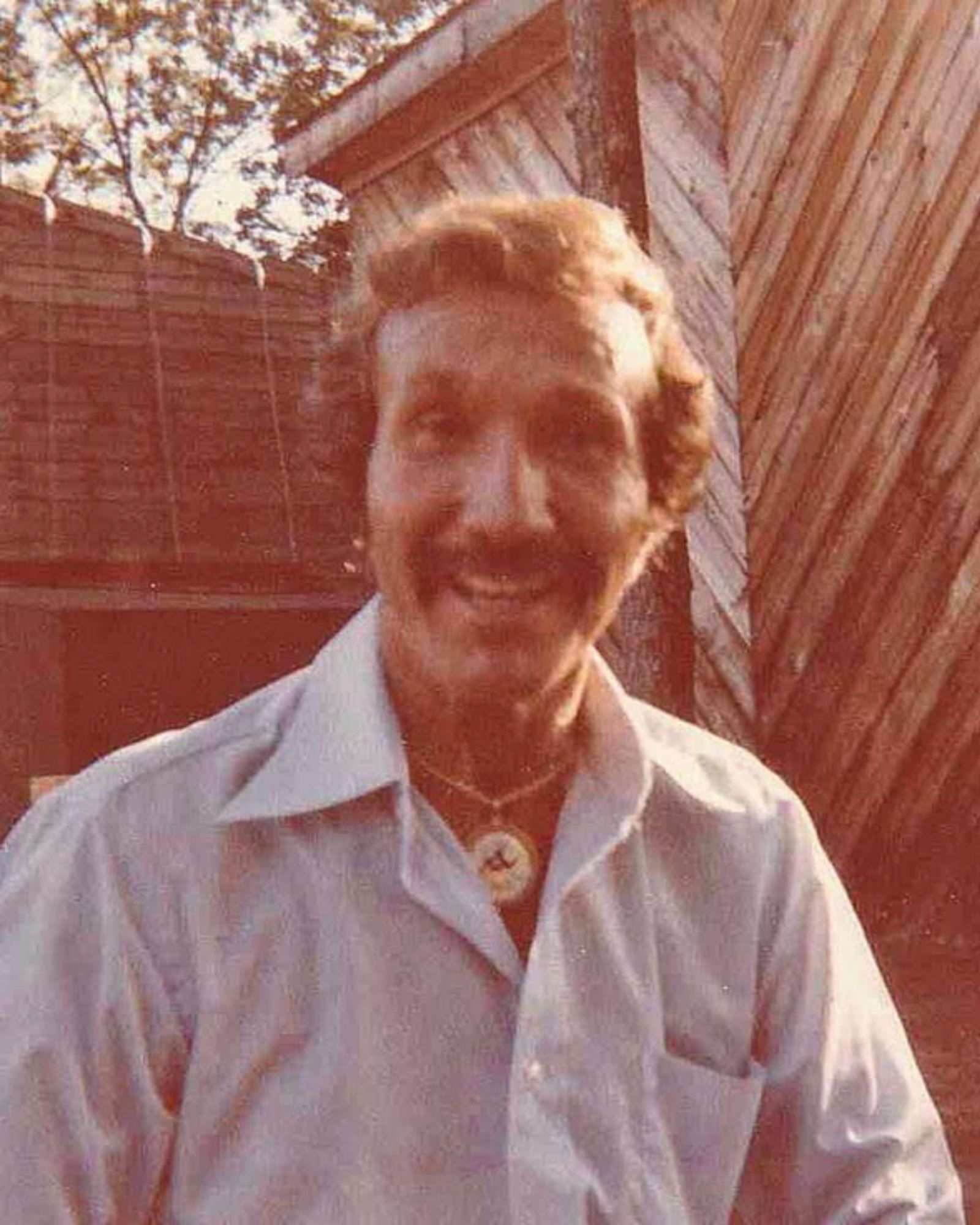
Some fans drove through the night. Others traveled hundreds of miles, carrying memories of songs that had followed them through much of their lives. By the morning of December 11, 1982, approximately 1,500 people had gathered at Woodlawn Funeral Home in Nashville to say goodbye to Marty Robbins.
Country music stars stood beside ordinary fans. The main chapel was full. Three smaller chapels filled as well. Mourners crowded into the hallways, determined to be part of the farewell.
Only two months earlier, Marty Robbins had been welcomed into the Country Music Hall of Fame. Now Nashville was mourning one of its most beloved voices.
The Voice That Told America’s Stories
For nearly three decades, Marty Robbins had been much more than a country singer. Marty Robbins was a storyteller whose music carried listeners into the American West, through heartbreak, and into the lives of people they might never meet.
Born in Arizona in 1925, Marty Robbins developed a love for Western stories and music before finding success in Nashville. An important turning point came in 1951, when Little Jimmy Dickens saw Marty Robbins perform on television in Phoenix and helped open the door to a recording career.
That encouragement helped begin one of country music’s remarkable careers.
Hits such as “A White Sport Coat (And a Pink Carnation),” “El Paso,” and “My Woman, My Woman, My Wife” demonstrated an extraordinary range. Marty Robbins could sing a Western gunfighter ballad, a tender love song, or a country standard with equal conviction.
“El Paso” became an international favorite and earned a Grammy Award. Marty Robbins also became a familiar presence at the Grand Ole Opry and pursued another passion outside music: stock car racing.
The News That Stunned Nashville
On December 2, 1982, Marty Robbins underwent emergency quadruple bypass surgery following a heart attack. For six days, family members, friends, and fans hoped for recovery.
On December 8, Marty Robbins died at Saint Thomas Hospital in Nashville. Marty Robbins was 57 years old.
Radio stations began sharing the news. Fans called, hoping reports of the death were mistaken. Across the country, people struggled to accept that a voice they had known for decades was suddenly gone.
Fans Traveled Through the Night
On Friday, December 10, approximately 2,000 people attended four hours of public visitation at Woodlawn Funeral Home.
Some visitors came from as far away as California and Canada. Others traveled from Wisconsin, North Carolina, and Georgia.
Among them were Gloria McCann and Gloria McCann’s father, who had driven through the night from Bainbridge, Georgia, simply to pay their respects.
One of the most emotional moments involved Little Jimmy Dickens. Nearly thirty years after helping Marty Robbins find an early opportunity in Nashville, Little Jimmy Dickens approached the silver casket and openly wept.
“I lost a real friend.”
Those few words revealed something that record sales and awards could never fully measure.
When Brenda Lee Sang the Final Farewell
On Saturday, December 11, approximately 1,500 mourners attended the funeral.
Johnny Cash and June Carter Cash were present, along with Charley Pride, Roy Acuff, Porter Wagoner, Ricky Skaggs, Eddy Arnold, Little Jimmy Dickens, and Brenda Lee.
Before the ceremony, recordings of Marty Robbins’ songs played softly throughout the funeral home.
The Reverend W. C. Lankford, pastor of Oak Hill Assembly of God Church, delivered the eulogy. The minister remembered how medical specialists had once repaired Marty Robbins’ heart, while Marty Robbins’ music had helped comfort thousands of people with broken hearts.
Then Brenda Lee sang “One Day at a Time.”
It was a fitting selection for a farewell filled with grief, gratitude, and faith.
Following the approximately thirty-minute service, Marty Robbins was laid to rest during a private burial at Woodlawn Memorial Park.
The Songs That Never Left
In October 1982, Marty Robbins had celebrated induction into the Country Music Hall of Fame. Eight weeks later, friends and admirers were gathering for a final goodbye.
Yet the extraordinary turnout revealed the enduring connection between Marty Robbins and the public. Fans remembered much more than chart positions or prestigious awards. They remembered where they were when they first heard “El Paso,” the emotions stirred by “My Woman, My Woman, My Wife,” and the unmistakable warmth of a voice that seemed to understand ordinary life.
The chapel could not hold everyone who came to say goodbye.
But the music Marty Robbins left behind would continue reaching generations far beyond that December morning.