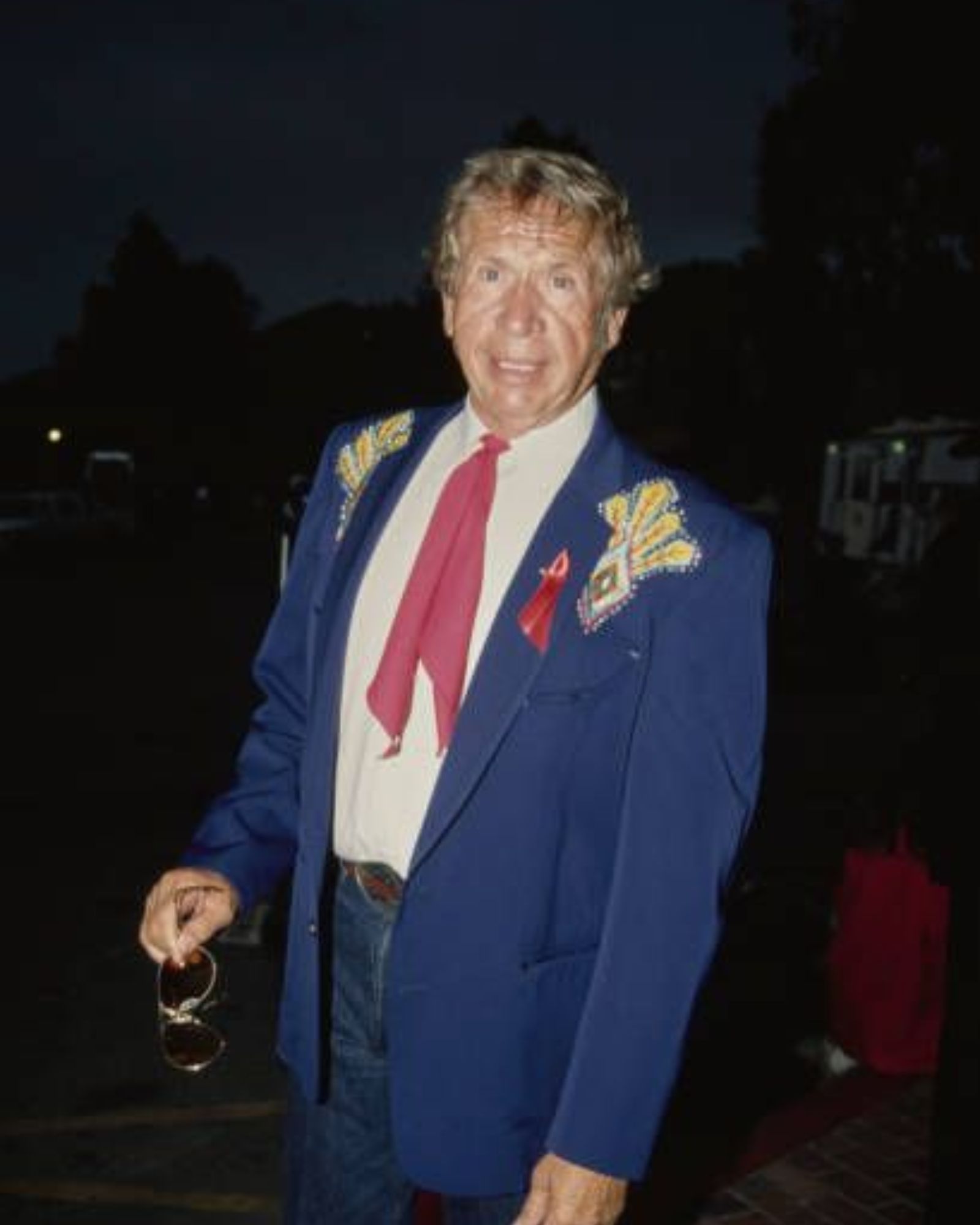
In 1981, Buck Owens had about 95 people working in businesses on a city block in Bakersfield, California. The recording studios were operating, the radio stations were broadcasting, and employees had plenty of work to keep them busy.
But Buck Owens, the man who had built much of that business empire, was spending the days wandering from one office to another, looking for someone to talk to.
It was a strange situation for one of country music’s most successful entertainers. After spending decades working almost nonstop, Buck Owens finally had the money and freedom to do whatever he wanted.
And Buck Owens was miserable.
When Retirement Wasn’t What Buck Owens Expected
For years, Buck Owens had lived by a demanding schedule. There were recording sessions, concerts, television appearances, and long trips between performances. Buck Owens and the Buckaroos had helped define the Bakersfield Sound, bringing a hard-driving style of country music to audiences around the world.
By the late 1970s, however, Buck Owens was ready for a change.
In 1979, Buck Owens stopped recording. In 1980, the touring stopped as well. Buck Owens continued appearing on Hee Haw until 1986, but the exhausting routine of making records and traveling from city to city was over.
At first, the freedom seemed wonderful.
Buck Owens played golf. On days without golf, there was tennis. Racquetball offered another way to stay occupied. After so many years of work, there was finally time for all those activities that had once seemed impossible to fit into a busy schedule.
But the enjoyment didn’t last.
Without the pressure of another concert or recording session, the days began to feel painfully empty. Around 1981, Buck Owens later admitted, the boredom had developed into a period of deep depression.
The Man Who Owned the Offices Had Nothing to Do
Back in Bakersfield, the businesses continued operating. Buck Owens still owned active recording studios and radio stations, and approximately 95 people worked on the block.
Those employees had responsibilities. Buck Owens had free time.
So Buck Owens began visiting different offices, sitting with employees and talking for a while before moving somewhere else.
In a revealing 1987 interview with Michael Bane for Country Music magazine, Buck Owens remembered imagining what the employees must have thought whenever another visit began: the lonely, bored boss was coming around again.
The situation had become difficult at home, too.
Buck Owens recalled that Jennifer, Buck Owens’s wife, urged a return to some kind of meaningful work before the boredom drove everybody in the household crazy.
It was a remarkable admission from someone who had spent years working hard enough to make retirement possible. Financial success had provided freedom, but freedom alone wasn’t making everyday life satisfying.
A Little Advertisement in 1985
Late in 1985, while sitting around with time on hand, Buck Owens noticed a small advertisement.
A local publication was looking for an investment partner.
It wasn’t a record company, a concert promotion, or a television opportunity. There was no audience waiting to hear another Buck Owens hit.
It was simply a small publishing business that needed an investor.
Buck Owens decided to get involved.
First came the purchase of 51 percent of the monthly publication. The following month, Buck Owens purchased the remaining 49 percent, gaining complete ownership.
Then the business began to change. The monthly publication became a weekly shopper, reaching households throughout Bakersfield.
Unlike golf or tennis, publishing brought a continuing schedule. Every week meant another issue, another deadline, and another reason to keep the business moving.
For Buck Owens, that difference mattered enormously.
The Business Buck Owens Called a Lifesaver
By the time Michael Bane interviewed Buck Owens in 1987, the publishing operation had grown considerably. Buck Owens reported that the weekly shopper was being mailed to 110,000 homes in Bakersfield. A real estate magazine was also part of the publishing business.
When the conversation turned to the new venture, Buck Owens offered a particularly revealing description:
“It’s been a lifesaver for me.”
Buck Owens explained that the earlier boredom had become so severe that even a beautiful day had lost much of its enjoyment.
Now there was something to work on again.
Country music fans often remember the years when Buck Owens stepped away from recording, followed by the celebrated return that included Dwight Yoakam and Streets of Bakersfield.
But the little publishing business belongs in that story, too.
Before another generation welcomed Buck Owens back to country music, a small advertisement had already led to an unexpected new chapter. The musician who once filled concert halls had found satisfaction in helping put a publication into Bakersfield homes every week.
And when Buck Owens described what that ordinary-looking business had meant, there was no need for a grand explanation. Buck Owens had already said enough: it had been a lifesaver.