The Song Johnny Cash Hid in Plain Sight
In 1972, Johnny Cash released an album called America and included a song titled “Big Foot.” It was not released as a single, and for many listeners it passed by quietly. Yet the song carried the weight of one of the darkest moments in Lakota history, the death of Chief Spotted Elk, known to soldiers as Big Foot, at Wounded Knee in December 1890.
A Story of Winter, Fear, and Loss
By late December 1890, Spotted Elk was leading his Miniconjou Lakota people toward Pine Ridge in what many histories describe as a search for safety after the death of Sitting Bull and the rising tension around the Ghost Dance movement. He was sick and feverish when the 7th Cavalry intercepted the band and brought them to camp near Wounded Knee Creek. The next morning, during an attempt to disarm the camp, shooting began. Spotted Elk died early in the violence, and hundreds of Lakota men, women, and children were killed in the massacre.
The image of Spotted Elk lying in the snow became one of the most haunting records of the event. It is a reminder that history is not only made of dates and troop movements, but of human beings caught in terrible moments they never chose.
Johnny Cash and a Quiet Act of Memory
Johnny Cash often sang about people left on the margins of American life, and “Big Foot” fit that pattern. On America, the song stood as a stark, mournful retelling rather than a commercial push. It did not become a hit, but it remained part of Johnny Cash’s larger habit of turning popular music toward history, sorrow, and conscience.
Marty Stuart Brings It Back
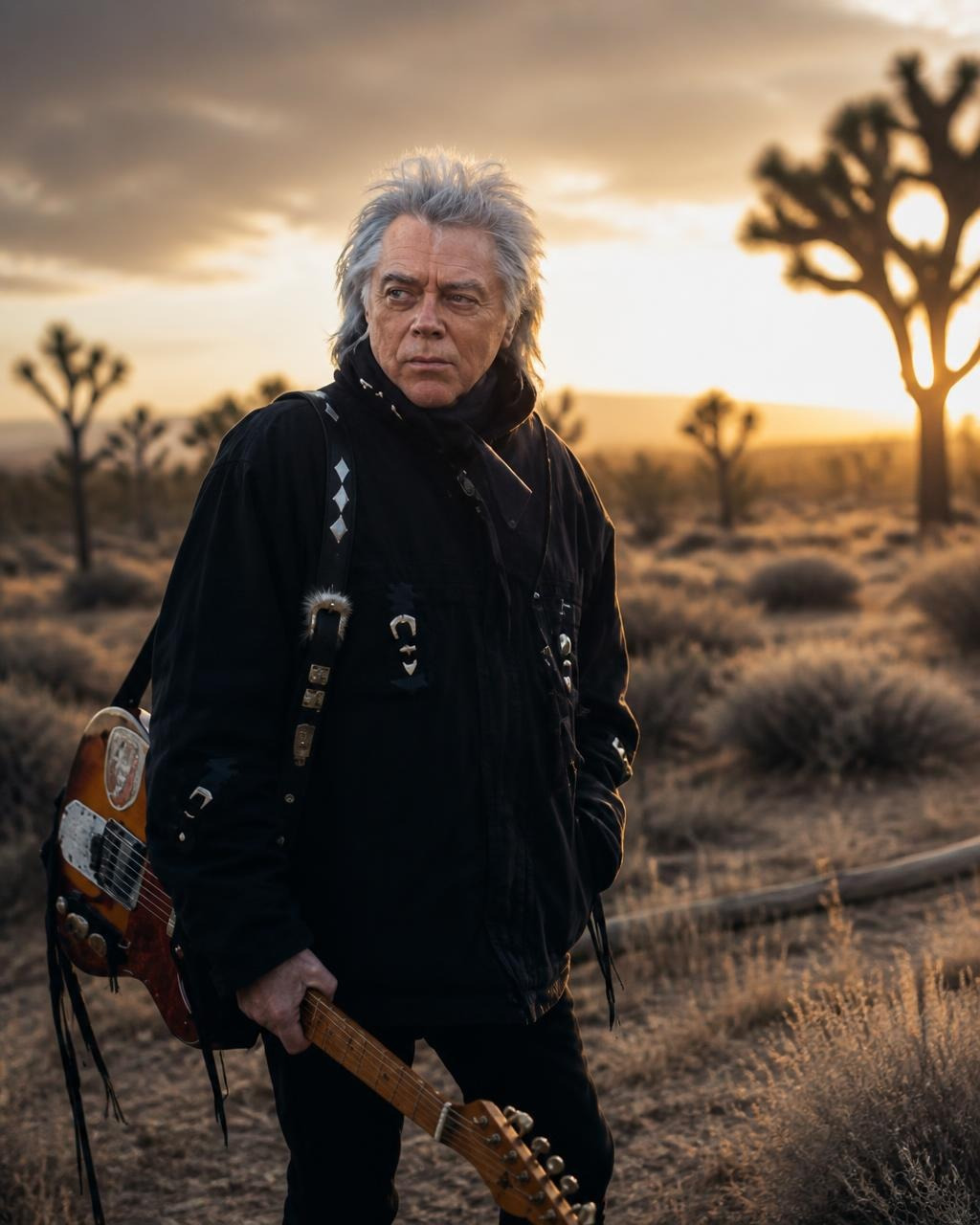
Years later, Marty Stuart entered the story from a different road. He first came to Pine Ridge in the early 1980s while playing guitar in Johnny Cash’s band, and over the years he kept returning. By the time the Lakota adopted him, his connection to the place had become personal, not just professional.
In 2005, Marty Stuart recorded “Big Foot” himself. In doing so, he helped bring new attention to a song that had been tucked away for decades. The performance carried a different kind of power: not simply revival, but remembrance.
Why the Song Still Matters
Some songs disappear because they were never meant for the charts. Others wait for the right singer, the right audience, or the right moment to be heard again. “Big Foot” survived because its story mattered too much to stay buried. Through Johnny Cash’s writing and Marty Stuart’s later recording, the song became more than a track on an album. It became a small, enduring act of memory for Spotted Elk and the Lakota people who died at Wounded Knee.