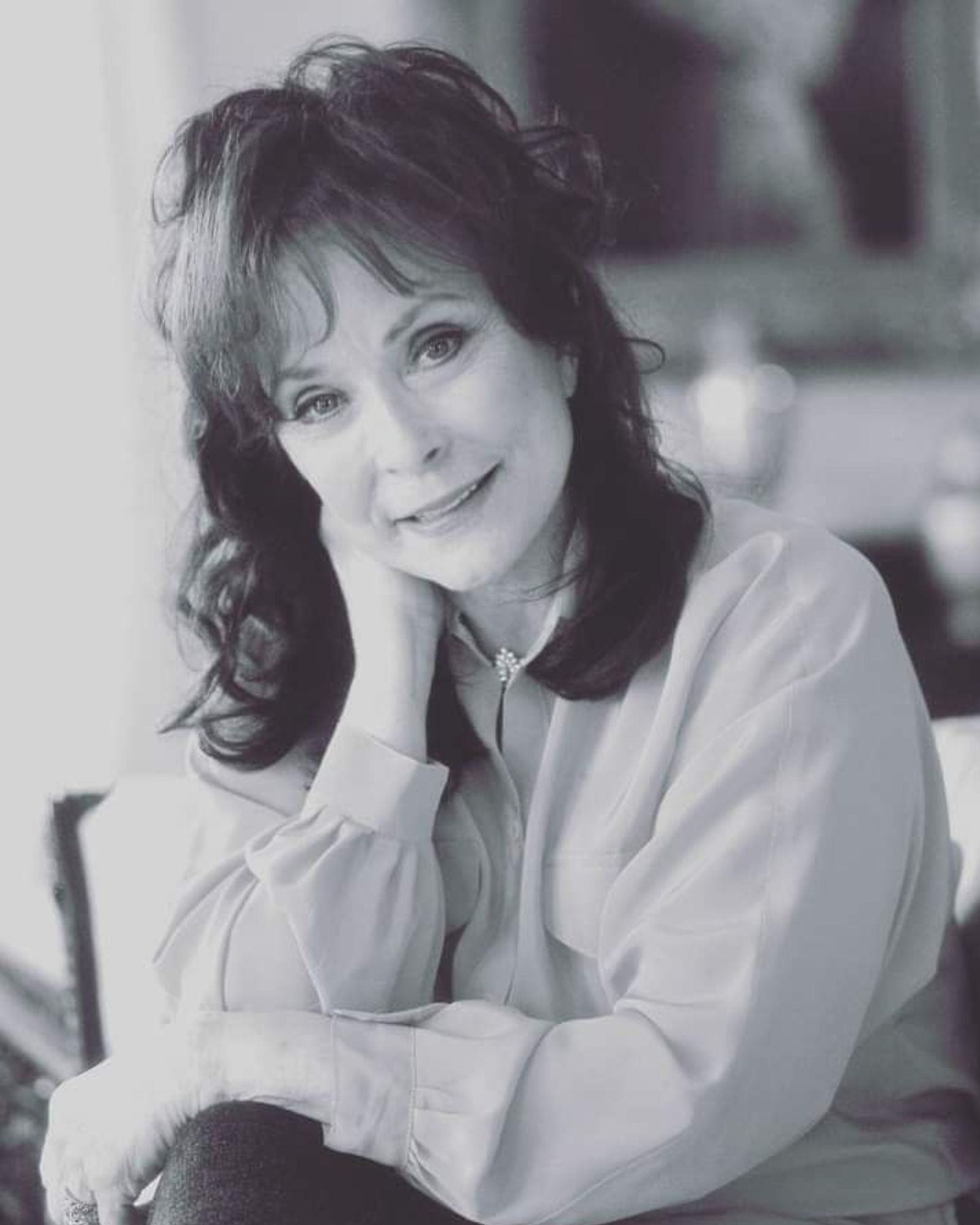
In 1960, Loretta Lynn spent the night sleeping in a parked car across the street from Nashville’s Ryman Auditorium. The next evening, Loretta Lynn would walk onto the Grand Ole Opry stage for the first time.
There was no fancy hotel, no dressing room waiting, and no guarantee that a young singer from the Kentucky coal country would ever become a country music star.
What Loretta Lynn didn’t know was that one of country music’s most respected performers, Ernest Tubb, had quietly helped make that moment possible.
From Radio Stations to the Grand Ole Opry
Earlier that year, Loretta Lynn and husband Oliver “Doolittle” Lynn had traveled across the country promoting Loretta Lynn’s first single, “I’m a Honky Tonk Girl.”
Recorded for the small Zero Records label, the song had no powerful Nashville promotion machine behind it. Loretta Lynn and Doolittle Lynn visited radio stations themselves, carrying copies of the record and asking disc jockeys to give an unknown singer a chance.
Some stations played it. Others barely paid attention. In later interviews, Loretta Lynn remembered waiting for hours at stations, hoping someone would put the record on the air.
The work paid off. “I’m a Honky Tonk Girl” reached No. 14 on Billboard’s country chart, opening a door that had once seemed impossibly distant.
Loretta Lynn was invited to appear on the Grand Ole Opry.
A Night Across From the Ryman Auditorium
When Loretta Lynn and Doolittle Lynn arrived in Nashville, money was still tight. Instead of renting a hotel room, the couple parked across the street from the Ryman Auditorium and slept in their car.
The following morning, Loretta Lynn woke to the sight of the building that housed the Grand Ole Opry. Doolittle Lynn brought back a box of doughnuts for breakfast.
For a woman who had grown up listening to the Opry on the radio in Butcher Hollow, Kentucky, simply being there was remarkable.
But getting through the performance would be another matter.
The Favor Ernest Tubb Never Announced
Ernest Tubb was already an established country music star. Known as the Texas Troubadour, Ernest Tubb had spent years performing on the Grand Ole Opry and helping younger musicians find opportunities in Nashville.
On the night of Loretta Lynn’s debut, Ernest Tubb gave up a place on the Opry program so the newcomer could perform.
Loretta Lynn did not learn about that generous gesture until after the show.
In a later interview with The Tennessean, Loretta Lynn expressed gratitude that Ernest Tubb had helped when the two hardly knew each other.
Ernest Tubb’s support continued beyond that evening. Loretta Lynn became a familiar performer on the Midnight Jamboree, the radio program associated with the Ernest Tubb Record Shop in downtown Nashville.
Those appearances helped introduce Loretta Lynn to more country music listeners.
While Loretta Sang, Doolittle Waited Outside
Onstage, Loretta Lynn performed “I’m a Honky Tonk Girl,” the record that had brought the couple all the way to Nashville.
Years later, Loretta Lynn remembered being so nervous that the performance itself was almost a blur. One of the few details Loretta Lynn could recall was tapping a foot while singing.
Meanwhile, Doolittle Lynn was outside in the car, trying to tune the radio to the Grand Ole Opry broadcast.
The signal would not come in clearly.
After driving across the country to help promote Loretta Lynn’s music, Doolittle Lynn missed hearing the very performance the couple had worked so hard to reach.
When Loretta Lynn returned to the car, Loretta Lynn excitedly told Doolittle Lynn that the Grand Ole Opry performance had happened.
It was a simple reunion after an extraordinary evening.
The Beginning of a Lasting Opry Story
That debut was far from Loretta Lynn’s final appearance at the Grand Ole Opry. The young singer returned repeatedly, building connections with the performers and audiences who helped shape country music.
On September 25, 1962, Loretta Lynn officially became a member of the Grand Ole Opry.
By then, the woman who had once traveled from station to station asking someone to play a record was establishing a permanent place in Nashville.
But the story of that first night remains special because of the people involved: Doolittle Lynn waiting outside with a radio that would not cooperate, Ernest Tubb quietly making room for a new singer, and Loretta Lynn standing on the stage that had once existed only in childhood radio broadcasts.
Before the awards, the famous songs, and the years of sold-out performances, there was a parked car, a box of doughnuts, and one unforgettable night at the Grand Ole Opry.